
What Is Plastisol Ink in Screen Printing?
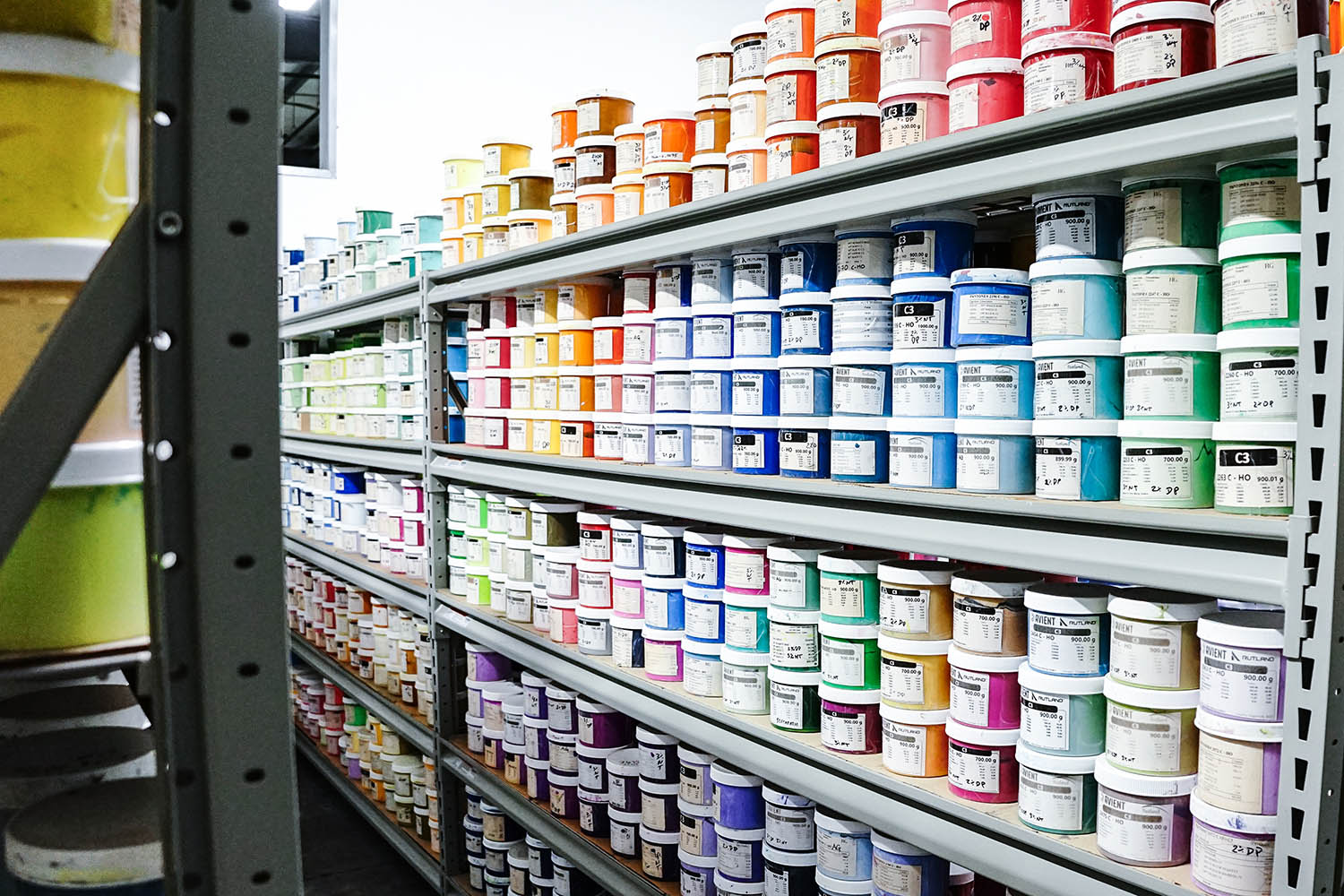
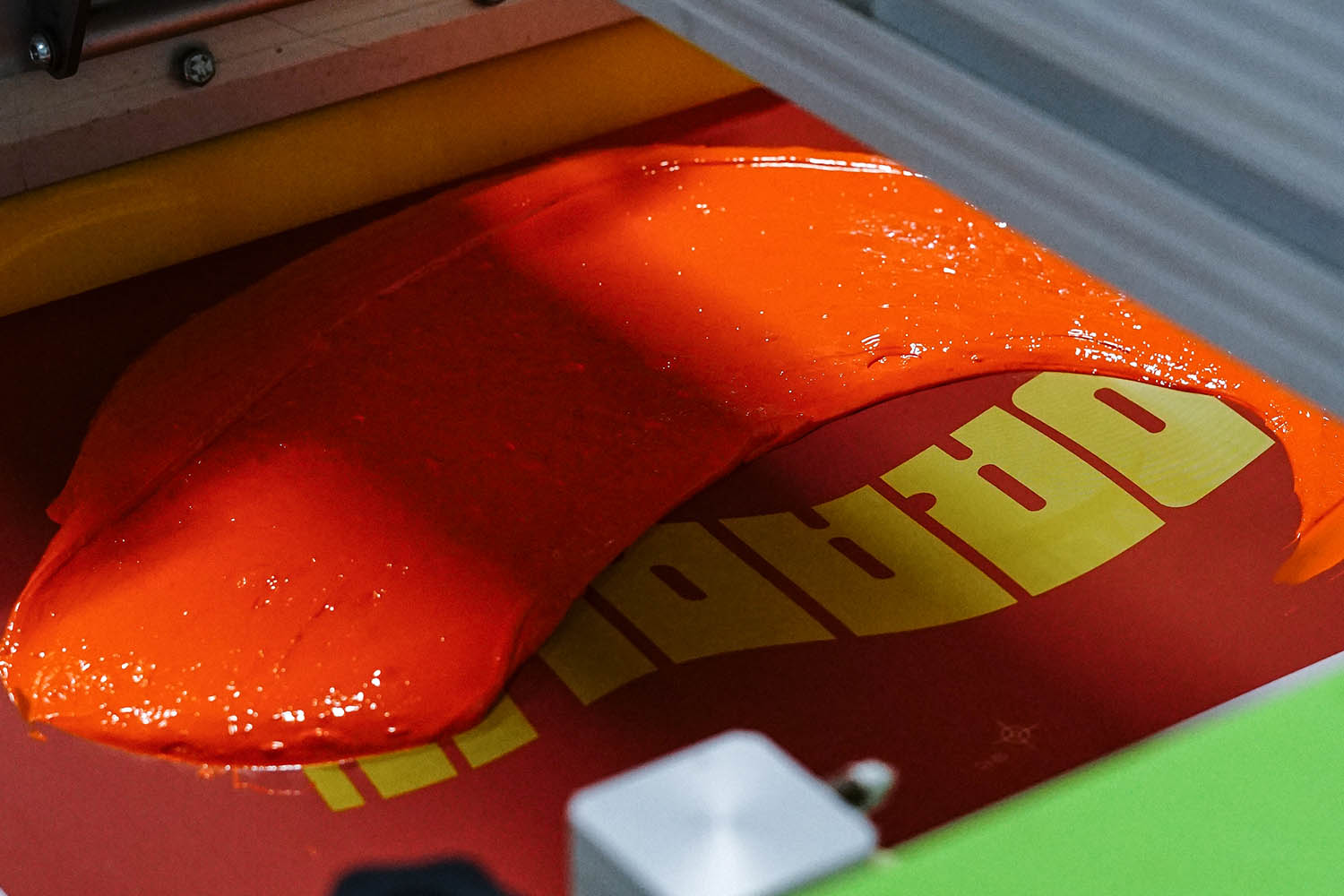
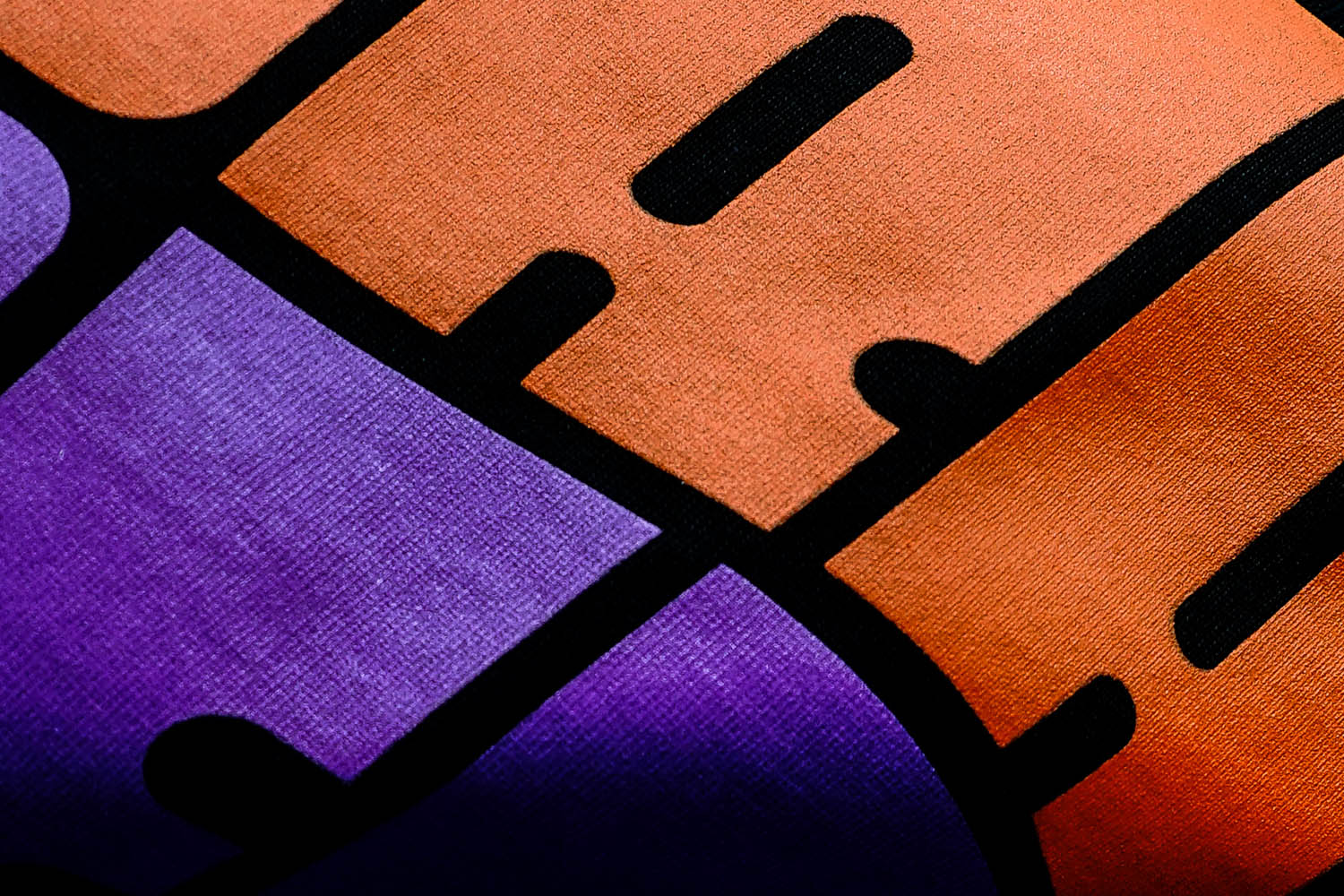
Plastisol ink has been a foundational element in screen printing for decades. This ink type is known for its ease of use because it doesn't dry unless exposed to high heat. This property gives print shops plenty of flexibility when working through complex designs or large runs. Its viscous, creamy consistency allows for excellent coverage and opacity, even on dark fabrics. Plastisol ink also holds detail well, making it ideal for intricate logos, graphics, and text.
What Is Water Based Ink in Screen Printing?
Water based ink, on the other hand, offers a different kind of performance. It absorbs directly into the garment's fibers rather than sitting on top, which results in a much softer feel and more natural finish. This ink type is often favored for fashion brands and lifestyle apparel where comfort and breathability are top priorities. It is often considered (highly debateable) to be a more environmentally friendly approach to screen printing, although it does require more careful handling during production.
Plastisol vs Water Based Printing: Which Is Better?
The discussion around plastisol vs water based printing often centers on the visual and tactile outcomes each ink delivers. Print shops make their recommendations based on multiple factors, including garment type, color, customer expectations, and overall design complexity. Choosing the right ink is about aligning the end product with the brand's goals, whether that's bold visibility or a softer, breathable finish.
Top Advantages of Plastisol Ink for Custom Apparel
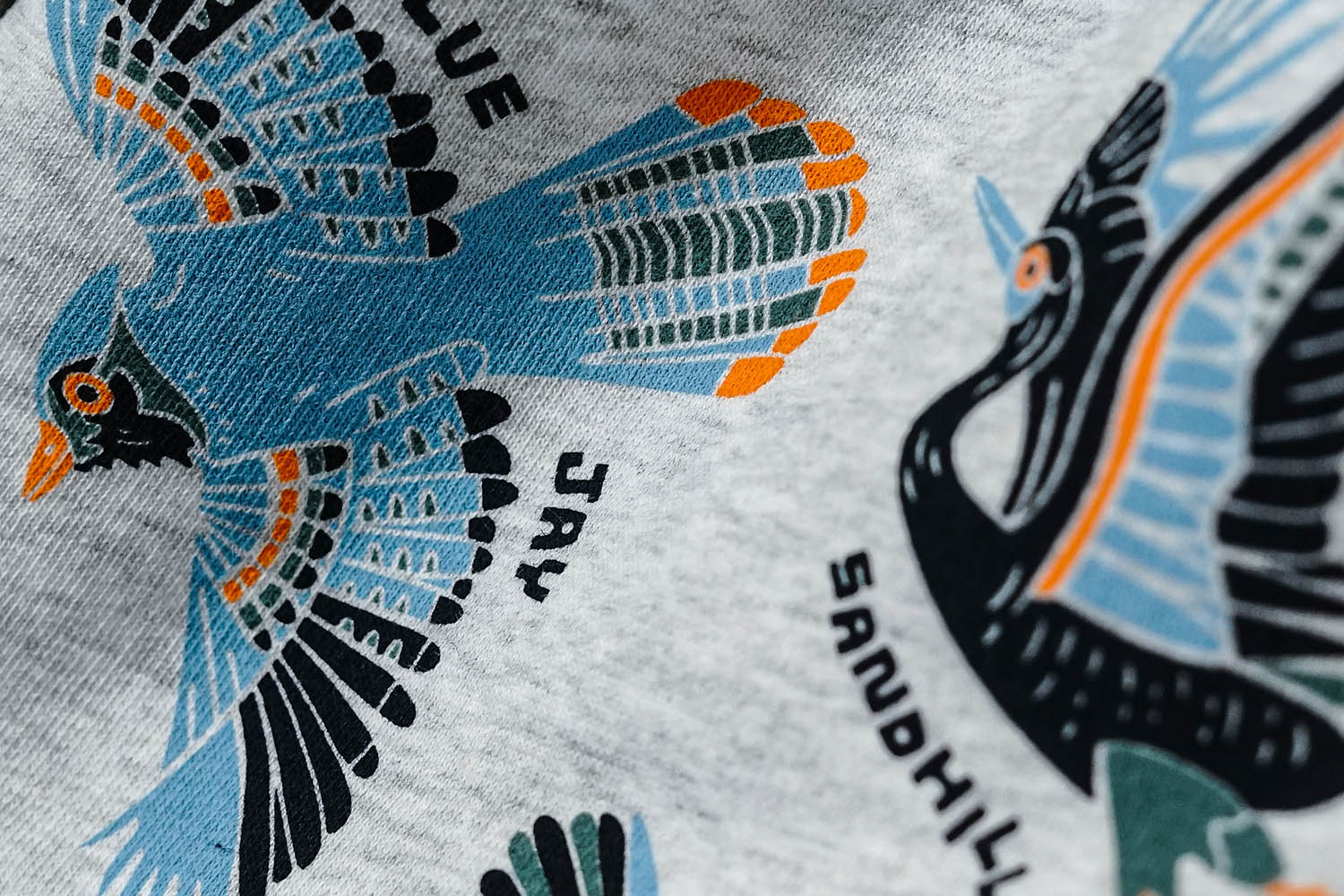
Despite the rise in popularity of water based ink, plastisol ink remains the preferred choice for many print shops. Its ability to deliver vibrant, consistent color matching on virtually any fabric makes it incredibly versatile. From polyester blends to darker garments, plastisol ink offers dependable results. It also works especially well with specialty effects, such as puff, high-density, and metallic finishes, which further expand creative possibilities.
Benefits of Water Based Ink for Retail-Quality Prints
Water based ink continues to gain traction due to its eco-friendly ingredients (does not contain microplastics) and ultra-soft hand feel. Many environmentally conscious brands choose water based ink as part of a broader commitment to sustainable practices. In addition to being more breathable, after laundering these prints have a more muted worn-in look that many fashion customers find appealing. The subtle, embedded aesthetic is well suited to retail and boutique applications.
How Screen Printing Ink Interacts with Fabric
One of the key differences between these ink types is how they interact with fabric. Water based ink absorbs into the fibers, effectively re-dyeing the material. This makes the ink a part of the fabric itself. In contrast, plastisol prints sit atop the material, at times creating a slightly rubber-like layer depending on the manufacturer's print engineering. This difference impacts both the appearance and feel of the final print, as well as the garment’s breathability.
Why Breathability Matters in Printed Garments
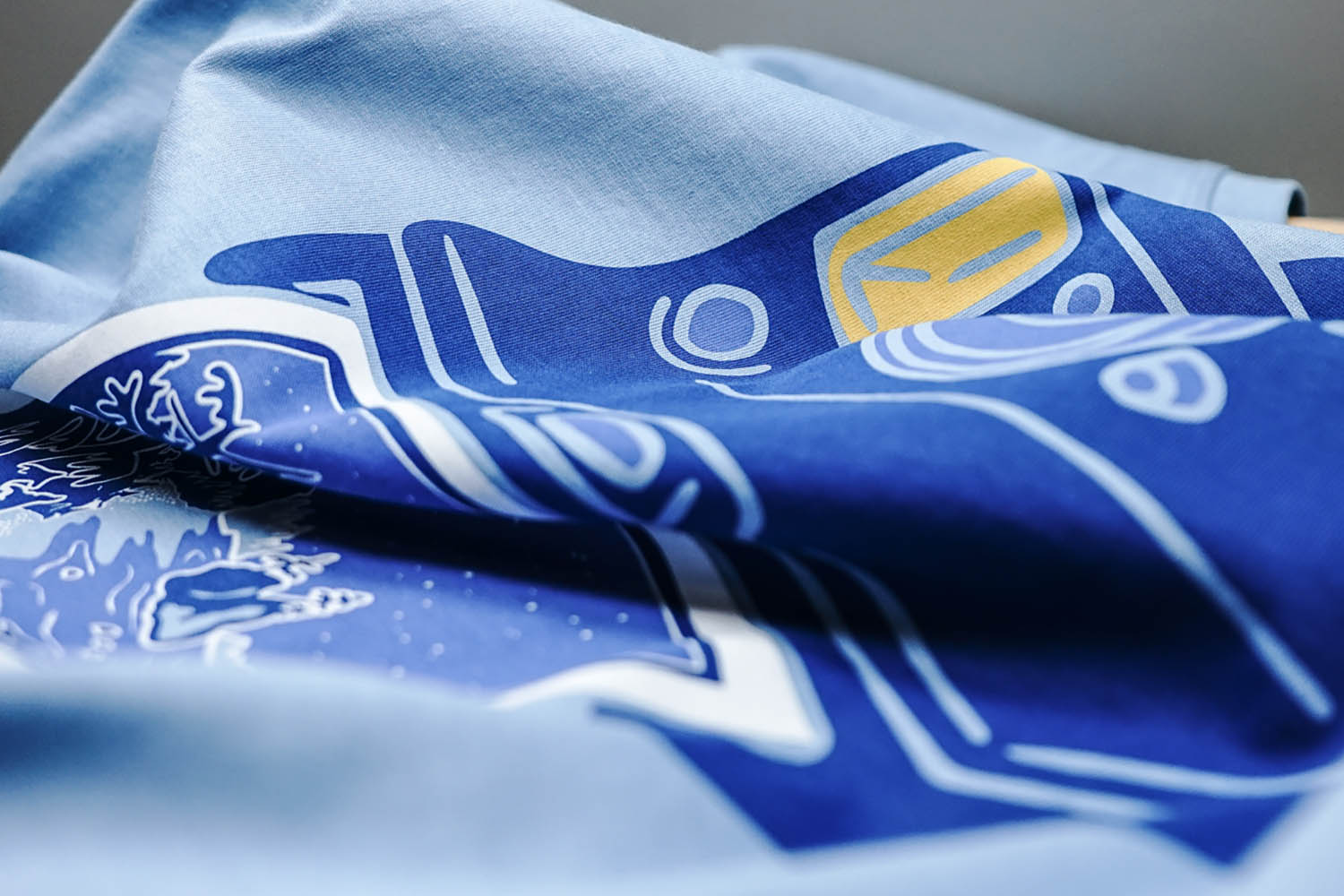
Because water based prints embed into the fabric rather than forming a surface layer, they maintain the garment’s original softness and breathability. This is especially important when apparel is light weight and designed for warmer climates. Plastisol prints can reduce airflow through the garment, but modern techniques and thinner applications have improved comfort considerably.
Color Accuracy: Plastisol Ink's Biggest Strength
Color vibrancy and precision are two of the biggest strengths of plastisol ink. This ink type is highly opaque and produces bold, rich tones that closely match digital artwork. It's especially useful when the design includes critical pantone matching colors or gradients that need to stay crisp and accurate. Water based ink can sometimes yield less vibrant results, particularly if discharge methods are used, which rely on the garment's original dye.
Limitations of Water Based Ink in Screen Printing
While water based ink offers many advantages, it also comes with challenges. It dries quickly in screens, which can interrupt workflow or require constant cleaning. Its effectiveness also varies depending on the fabric used. It performs best on 100% cotton, and can be more unpredictable on blends or dark materials when discharge additives are required. It can also pose challenges when 100% accuracy is required for color matching. These limitations can complicate production.
Why Plastisol Ink Is the Most Versatile Option
Few ink types can match the adaptability of plastisol ink. It works on a wide range of materials, from cotton to synthetic blends, without sacrificing quality or consistency. Its stable formula makes it easier to print across different runs and conditions. For print shops managing high-volume orders or mixed-fabric jobs, plastisol ink remains an invaluable tool.
Is Water Based Ink More Eco-Friendly?
For years, water based ink was seen as the only eco-conscious option. However, the screen printing industry has responded to environmental concerns by developing more sustainable plastisol ink formulas. Today’s plastisol inks are phthalate-free and made without harmful chemicals, closing the gap in environmental performance and making both ink types viable for responsible production.
Are Water Based and Plastisol Inks Both Durable?
Both plastisol and water based prints are known for their durability when properly cured. Plastisol ink naturally forms a thick layer that resists fading and cracking, while water based ink, though more subtle in appearance, bonds tightly to the fabric for long-lasting wear. Proper curing techniques and high-quality inks ensure that either option delivers strong, lasting results.
Comparing Screen Printing Costs by Ink Type
In general, there is minimal cost difference between plastisol and water based printing. The real difference lies in labor and setup requirements. Water based ink may require more attention during setup and production, while plastisol ink offers a more forgiving workflow. However, pricing is rarely the deciding factor; the ink choice should always support the creative and practical goals of the project.
Real-World Examples from Print Shops
Experienced print shops approach each project with a clear understanding of the client's goals and the ink types available. Whether it’s a fashion brand needing breathable prints or a promotional run requiring sharp, vivid designs, the decision is based on performance. Shops will often present samples using both ink types to help clients make an informed choice.
What to Know About Discharge Water Based Prints
A discharge additive can be added to water based ink, a technique that removes the garment's original dye while applying pigment. While this can produce incredibly soft and vintage-style results, it carries a level of unpredictability. Because discharge relies on the garment’s underlying dye, color accuracy can vary—even within the same print run—making it important to test thoroughly.
Why Print Shops Use Both Ink Types
In our shop, we believe in using the best tool for the job. That’s why we offer both plastisol ink and water based ink options. Each serves a unique purpose. Rather than choosing one as superior, we evaluate your specific needs and recommend the ink that will yield the highest quality outcome. We pride ourselves on versatility and craftsmanship.
How Project Goals Influence Ink Selection
No two print jobs are the same, and ink selection should reflect that. A project that calls for high color fidelity and performance on a synthetic garment will benefit from plastisol ink. Meanwhile, a premium fashion tee with soft hand and breathability goals will shine with water based ink. Matching the ink to the project goal ensures a successful final product.
Ink Type Is Not One-Size-Fits-All
There is no universal answer to the ink question. Factors such as audience, wearability, color expectations, and garment type all play a role. Knowing the strengths of both water based and plastisol allows print shops and clients to collaborate effectively and bring designs to life exactly as envisioned.
Choosing a Print Shop That Understands Inks
Choosing the right ink type is easier when you partner with a knowledgeable print shop. Experienced teams will walk you through the pros and cons of water based and plastisol ink for your particular use case. They may offer side-by-side print samples, recommendations on fabric types, and insights into long-term performance.
Educating Clients on Screen Printing Ink
We believe that educating clients leads to better outcomes. When customers understand how different ink types will look and feel, they can make smarter decisions for their brand. Whether they’re prioritizing vibrancy, comfort, or sustainability, we help guide them through the process with clarity and transparency.
Hybrid Screen Printing Inks: Combining the Best of Both
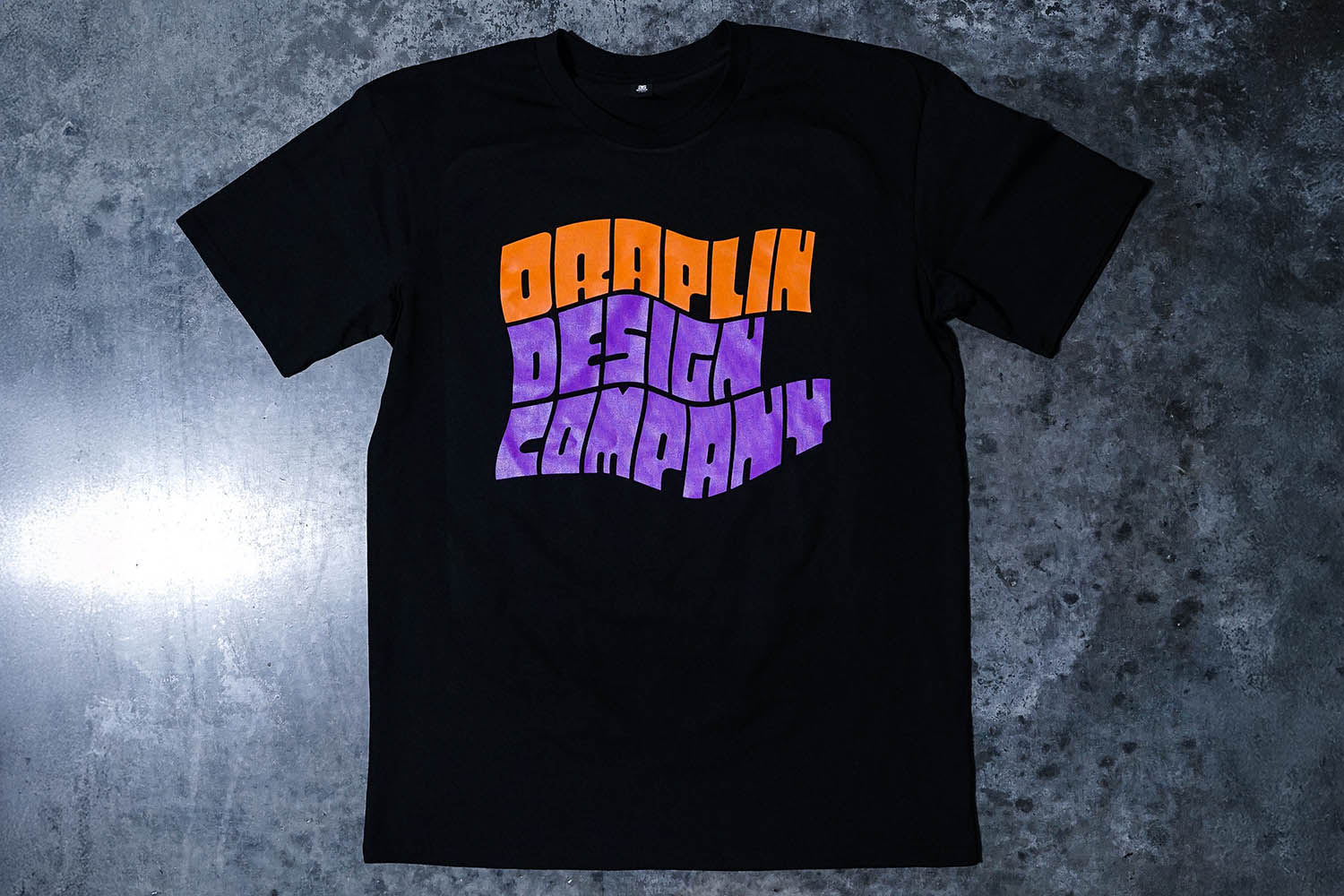
Some print shops are now experimenting with hybrid ink systems that combine the properties of water based and plastisol inks. This opens the door to new visual textures and finishes, allowing for greater customization and innovation in screen printing. It also helps bridge the gap for clients who want the benefits of both ink types in one product.
Final Thoughts: Water Based and Plastisol Ink Options
Selecting the right screen printing ink is both a technical and creative decision. The choice between plastisol and water based ink should be driven by your project’s needs—not industry trends or assumptions. When executed with expertise, either ink type can help bring your vision to life with lasting impact.
Our Print Shop Commitment to Quality
No matter what ink type we use, our commitment is to high-quality, dependable prints. We assess each order with fresh eyes and recommend the approach that will deliver the best results. Whether it’s plastisol ink for vivid branding or water based ink for next-to-skin softness, we bring the same level of precision and care to every job.
Ready to Bring Your Design to Life?
At Apparel Graphics, we’re experts in both plastisol and water based printing. Whether you're looking for bold color, soft feel, or eco-friendly options, our team will guide you to the best ink for your specific project. Contact us today to get started on your next premium screen printed piece.